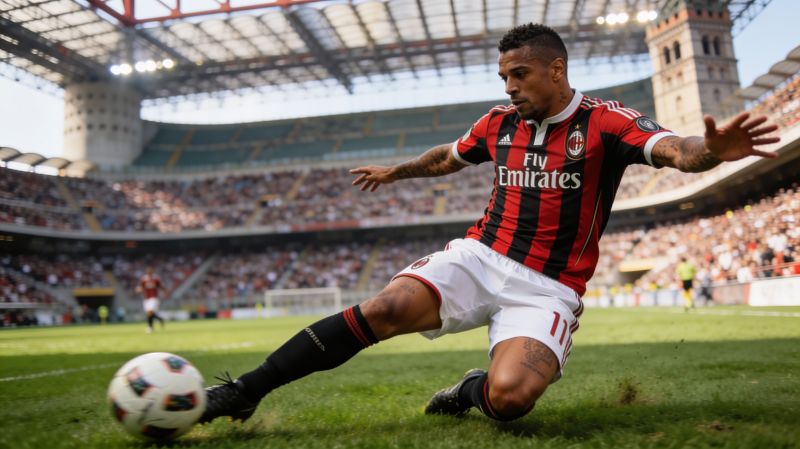
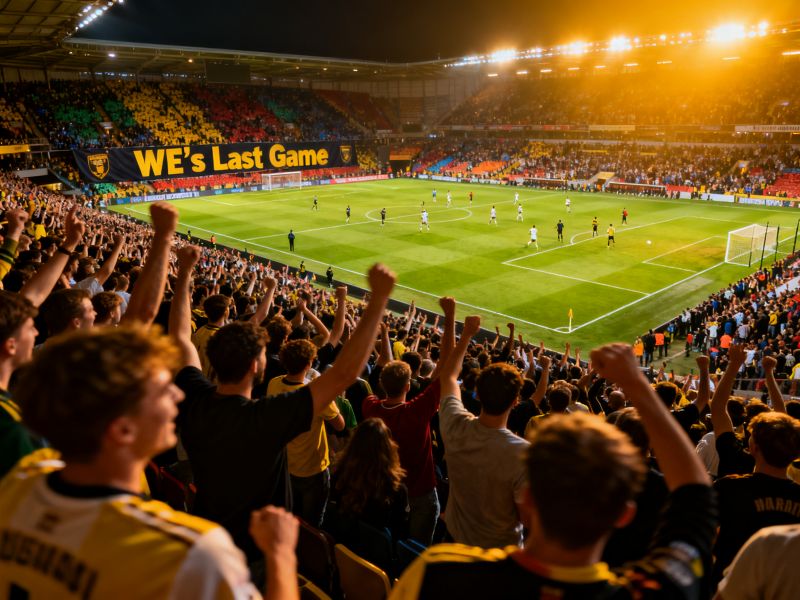
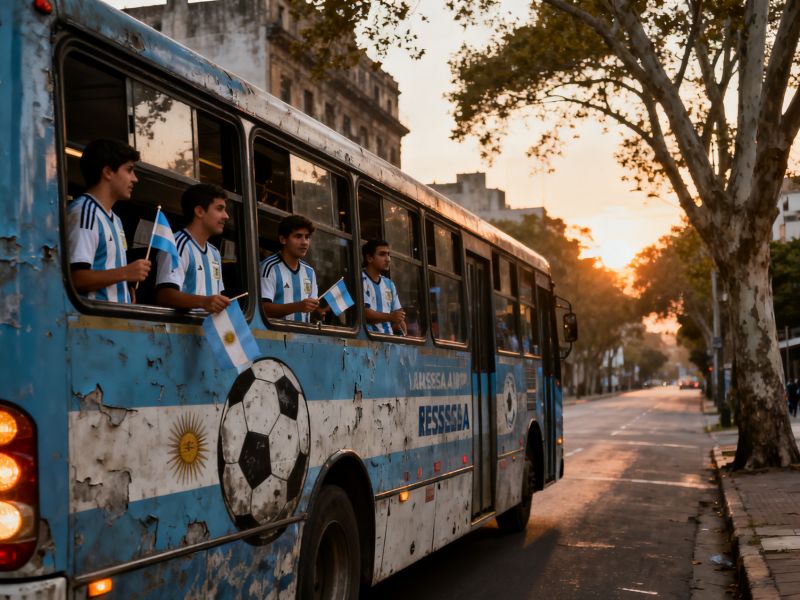
he bus from Ezeiza Airport to downtown Buenos Aires still smells of diesel and mate. I took it last month, and the first thing that struck me wasn't the graffiti or the exchange rate—it was the number of people wearing the same worn-out national team jersey, three stars now。some with a fourth star hand-stitched on the sleeve. Argentina returns home, in a literal sense, after every international break, but this time it felt different. The players landed at dawn, and by noon, the Obelisco was crawling with kids who had skipped school. Not a political rally. Not a protest. Just a country exhaling.Diego, a taxi driver I met near Plaza de Mayo。told me he hasn't bought a new shirt since 2022. "Why would I?
" he shrugged. "The old one still works." That pragmatism runs deep here. When Argentina returns home from a tournament, the celebration is loud but short. The next day, the butcher on my block was back to complaining about inflation, and the guy at the kiosco was restocking cigarettes as if nothing happened. There's a collective understanding that glory doesn't pay the rent. That contrast—the ecstasy of a homecoming and the grind of daily life—is what makes this place so hard to explain to outsiders.Still, the returns matter. I watched a clip of Enzo Fernández arriving in Buenos Aires, and he didn't go straight to the training center. He stopped at a neighborhood club in Villa del Parque where he played as a kid. No cameras. No press conference. Just a handshake with the groundskeeper. That's the kind of detail that gets lost in the noise. Argentina returns home not just as a team but as a reminder that the path from a dusty pitch to the World Cup stage isn't a straight line. It's a loop.Of course, not everyone feels the warmth. A friend in Rosario told me the local economy doesn't care about football. "The players come back。the province announces some infrastructure project, and then nothing." He's not wrong. The government has a habit of attaching itself to these moments. But the people I talked to in Buenos Aires didn't seem to mind. They see the return as a private affair, even when it's public. You cheer, you hug strangers, you go back to work. That's the deal.Argentina returns home because it has to. There's no other place to go. The national team isn't a distant brand—it's your neighbor's kid, your cousin's friend。
the guy who once missed a penalty in a local final and never lived it down. When they come back, they bring that with them. And for a few days, the country gets to pretend the world is simpler than it is. Then the bus to Ezeiza runs again, and the jersey goes back in the drawer.